
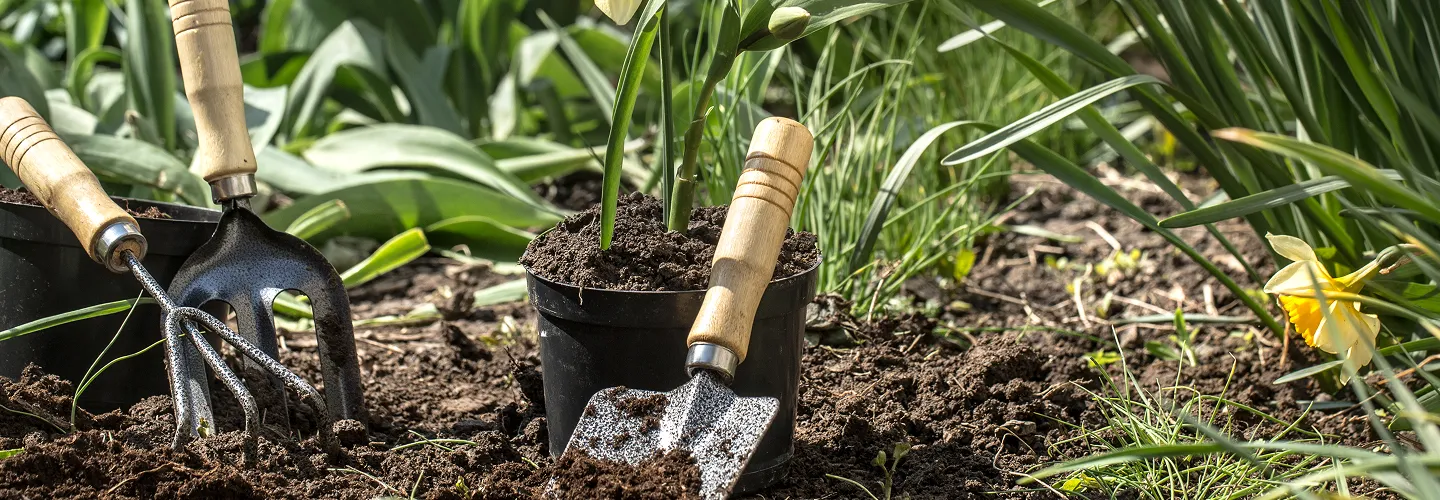
Maryvale Flower Bed Maintenance Services
Choose our Flower Bed Maintenance for expert care that keeps your garden blooming, weed-free, and healthy all season long—so you can enjoy stunning curb appeal without the hassle.
Get a Free QuoteOur Maryvale Landscaping & Yard Care Services
When to Schedule Flower Bed Maintenance in Maryvale, Arizona – Seasonal Guide
In Maryvale, Arizona, the timing of flower bed maintenance is crucial for ensuring vibrant, healthy landscapes throughout the year. Due to our region’s unique climate—marked by hot, dry summers and mild winters—optimal maintenance typically occurs in early spring and late fall. These periods allow for soil preparation, planting, and mulching before the intense summer heat or after the risk of frost has passed. Neighborhoods near Maryvale Park and the Grand Canal Trail often experience microclimates, with varying shade and soil moisture levels that can influence the best times for service.
Local environmental factors such as late-winter frost dates, the risk of summer drought, and the prevalence of clay-heavy soils in areas like Estrella Village all play a role in determining maintenance schedules. Homeowners should also consider municipal watering restrictions and the impact of mature shade trees, which can affect both sunlight and soil moisture. For more information on local guidelines and resources, visit the Maryvale community page.
Local Factors to Consider for Flower Bed Maintenance in Maryvale
- Tree density and shade coverage, especially near Encanto Boulevard
- Soil type (clay, sandy, or loamy) and drainage characteristics
- Seasonal precipitation patterns and drought risk
- Frost dates and temperature fluctuations
- Municipal watering restrictions and landscaping ordinances
- Terrain and slope, particularly in neighborhoods bordering the Salt River
Benefits of Flower Bed Maintenance in Maryvale
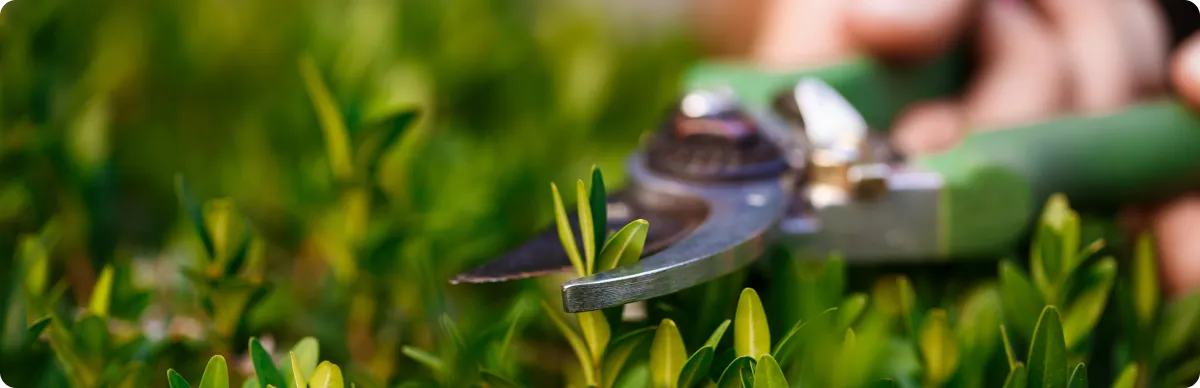
Enhanced Curb Appeal
Weed and Pest Prevention
Healthier Plant Growth
Seasonal Color Variety
Professional Landscaping Expertise
Time and Effort Savings
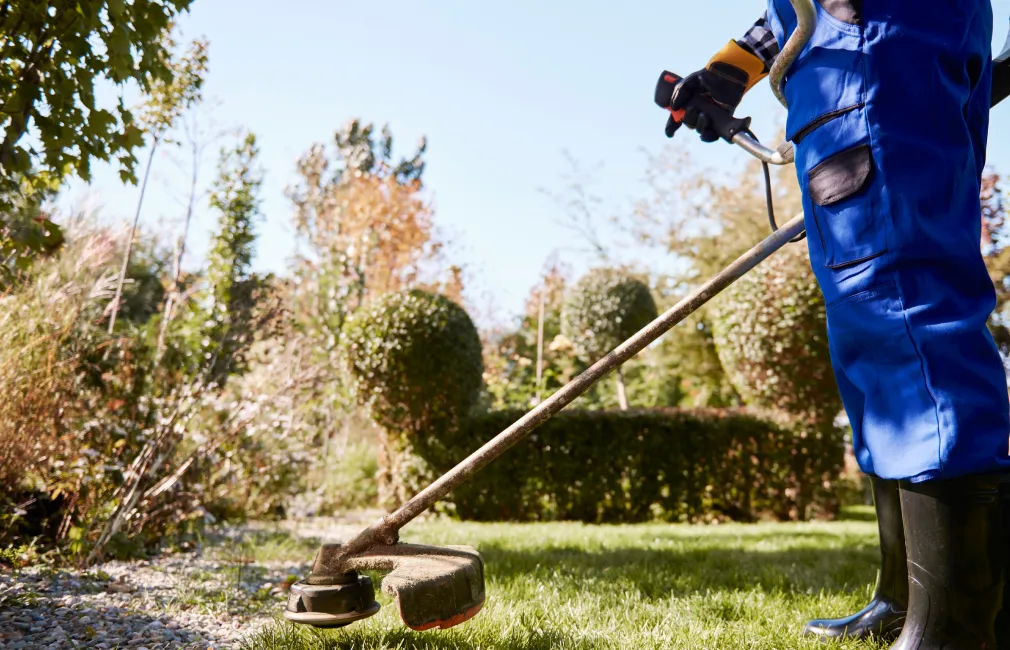
Maryvale Flower Bed Maintenance Types

Seasonal Flower Planting
-
Weed Control Services
-
Mulching and Soil Conditioning
-
Pruning and Deadheading
-
Fertilization Programs
-
Pest and Disease Management
-
Irrigation System Maintenance
Our Flower Bed Maintenance Process
Site Evaluation
Weed Removal
Soil Preparation
Plant Care
Mulching
Why Choose Maryvale Landscape Services
-
Maryvale Homeowners Trust Us
-
Expert Lawn Maintenance
-
Reliable Scheduling
-
Competitive Pricing
-
Professional Team
-
Satisfaction Guarantee
-
Personalized Service
Coordinating Flower Bed Maintenance with Maryvale's Municipal Programs and Services
Maryvale is an urban village within the City of Phoenix, and flower bed maintenance on residential and commercial properties falls under several municipal coordination points. Green waste generated from bed cleanups—including spent annuals, pulled weeds, and trimmed perennials—must be disposed of through the city's bulk trash collection program or transported to an authorized transfer station. Property owners should verify current bulk pickup schedules and bundling requirements through Phoenix Public Works before placing organic debris curbside. When flower bed work occurs adjacent to public sidewalks or rights-of-way, maintaining clear pedestrian passage and keeping soil, mulch, and irrigation runoff out of curb inlets is required.
- Bag or bundle green waste according to city collection guidelines before placement at the curb
- Prevent loose soil and mulch from migrating into street gutters or storm-drain inlets during bed renovation
- Coordinate irrigation schedules with Phoenix Water Services conservation guidelines, especially during declared drought stages
Phoenix Public Works
200 W. Washington St., Phoenix, AZ 85003
Official Website: Phoenix Public Works
How Maryvale's Low-Desert Heat and Alkaline Soils Affect Flower Bed Health
Maryvale sits in the Phoenix metro low desert, classified within USDA Hardiness Zone 10a, where summer temperatures routinely exceed 110°F and annual rainfall averages under eight inches. These conditions impose specific pressures on flower beds that differ substantially from temperate-climate gardening assumptions. Soils across much of Maryvale tend toward alkaline sandy loam, often with caliche layers at shallow depth that restrict root penetration and impede drainage. Reflected heat from block walls, concrete driveways, and decomposed-granite surfaces intensifies thermal stress on bedding plants positioned along south- and west-facing exposures.
- Soil alkalinity raises pH above 7.5 in many locations, limiting iron and phosphorus availability to flowering plants and often causing chlorosis
- Caliche hardpan may require mechanical breaking or raised-bed construction to establish adequate root zones
- Monsoon runoff between July and September can wash out mulch, displace emitters, and erode bed edges if beds are not properly graded
- Irrigation dependence is year-round; even winter-planted annuals require consistent drip delivery given minimal natural precipitation
The Arizona Department of Water Resources provides landscaping guidance that emphasizes hydrozoning and efficient emitter placement—both directly relevant to flower bed design in Maryvale.
Navigating Maryvale's Regulatory Requirements for Flower Bed Maintenance Activities
Routine flower bed maintenance—deadheading, weeding, mulch replenishment, and seasonal replanting—does not typically trigger a city permit. However, property owners and maintenance providers should be aware of several regulatory layers that apply when bed work intersects with stormwater management, pesticide use, or property-line standards. Under the City of Phoenix's Phase II MS4 stormwater program, soil disturbance, fertilizer application, and herbicide use near drainage channels or retention basins must be managed to prevent polluted runoff from entering the municipal storm sewer system.
- Any commercial applicator using herbicides or insecticides in flower beds must hold a valid license through the Arizona Department of Agriculture
- Fertilizer and soil amendments should not be applied immediately before forecast monsoon storms to reduce nutrient-laden runoff
- Properties adjacent to washes or flood-control channels may be subject to additional setback or grading restrictions; verify requirements through the city engineering office
- Noxious weed species identified by the Arizona Department of Agriculture should be removed promptly when found in maintained beds
Phoenix Environmental Quality & Sustainability Commission
200 W. Washington St., Phoenix, AZ 85003
Official Website: Phoenix Environmental Quality & Sustainability Commission
Timing Flower Bed Maintenance Around Maryvale's Monsoon and Extreme Heat Cycles
Professional flower bed maintenance in Maryvale follows a seasonal rhythm dictated by the low-desert climate rather than traditional four-season gardening calendars. Cool-season annuals such as petunias, snapdragons, and pansies are typically planted between October and February, while warm-season selections like vinca, lantana, and zinnias are established from March through May before peak heat arrives. Deadheading and weed suppression should occur on a regular cycle, with particular attention paid to post-monsoon weed flushes when summer annuals and invasive grasses germinate rapidly in disturbed bed soil.
- Replenish organic or decorite mulch to a depth of approximately two to three inches before monsoon season to reduce washout and moderate soil temperature
- Inspect and adjust drip emitters monthly; clogged or displaced emitters are a primary cause of flower bed failure in Maryvale's heat
- Schedule bed cleanup and replanting during early morning hours when soil and plant tissue temperatures are lowest, reducing transplant shock
- Remove spent plant material promptly to discourage pest harborage and reduce fire risk during dry pre-monsoon weeks
Phoenix Parks & Recreation
200 W. Washington St., Phoenix, AZ 85003
Official Website: Phoenix Parks & Recreation
What Neighborhoods Do We Serve Throughout Maryvale, AZ?
- Westwood Village – Established residential lots with mature shade trees that create mixed-exposure flower bed conditions requiring careful plant selection for partial shade and reflected heat
- Maryvale Terrace – Mid-century subdivisions with compact front yards where flower beds along block-wall perimeters face intense afternoon heat and benefit from drip-irrigated, heat-tolerant species
- Palm Lane – Properties near arterial corridors where dust accumulation and reflected pavement heat increase maintenance frequency for bedding plants and mulch surfaces
- Glen Park – Neighborhoods adjacent to park spaces and retention basins where flower bed runoff management and wash-safe practices are particularly important
- Pendergast – Residential areas with older irrigation infrastructure where emitter audits and soil amendment are often necessary before seasonal flower bed replanting
- Estrella Village (northern portions near Maryvale) – Larger lots with south-facing exposures that demand hydrozoned bed layouts and drought-adapted flowering perennials