
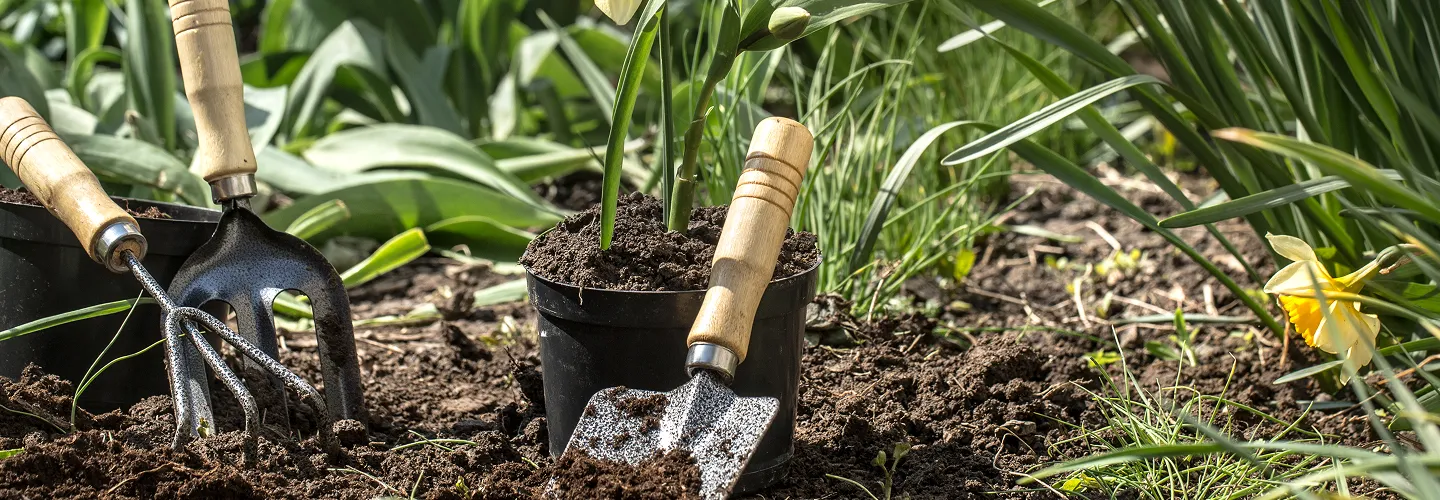
Maryvale Lawn Edging Services
Choose our lawn edging for precise, professional borders that boost curb appeal and make yard maintenance effortless—experience the difference of expert craftsmanship and durable results.
Get a Free QuoteOur Maryvale Landscaping & Yard Care Services
When to Schedule Lawn Edging in Maryvale, Arizona – Seasonal Guide
In Maryvale, Arizona, the best times to schedule lawn edging are typically during the early spring and late fall. These periods align with the region’s mild temperatures and reduced risk of extreme heat or frost, making it easier to achieve crisp, clean edges without stressing your turf. Maryvale’s unique climate—characterized by hot, dry summers and mild winters—means that timing your lawn care is crucial for maintaining healthy, attractive landscapes. Neighborhoods near Desert West Park and the Maryvale Community Center often experience microclimates, with varying shade coverage and soil types that can influence the ideal edging schedule.
Local environmental factors such as the area’s clay-heavy soils, sporadic rainfall, and the risk of drought during summer months all play a role in determining when to edge your lawn. For example, properties near the Grand Canal may have higher humidity and denser tree coverage, affecting both grass growth and edging frequency. It’s also important to consider municipal guidelines and water restrictions, which can impact when and how often you perform lawn maintenance. For more information on local regulations, visit the Maryvale municipal resource.
Local Factors to Consider for Lawn Edging in Maryvale
- Tree density and shade coverage, especially in neighborhoods like Villa de Paz
- Soil composition (clay vs. sandy soils)
- Seasonal precipitation and drought risk
- Proximity to landmarks such as Desert West Park or Grand Canal
- Municipal restrictions on water usage and landscaping
- Terrain and slope of your property
Benefits of Lawn Edging in Maryvale
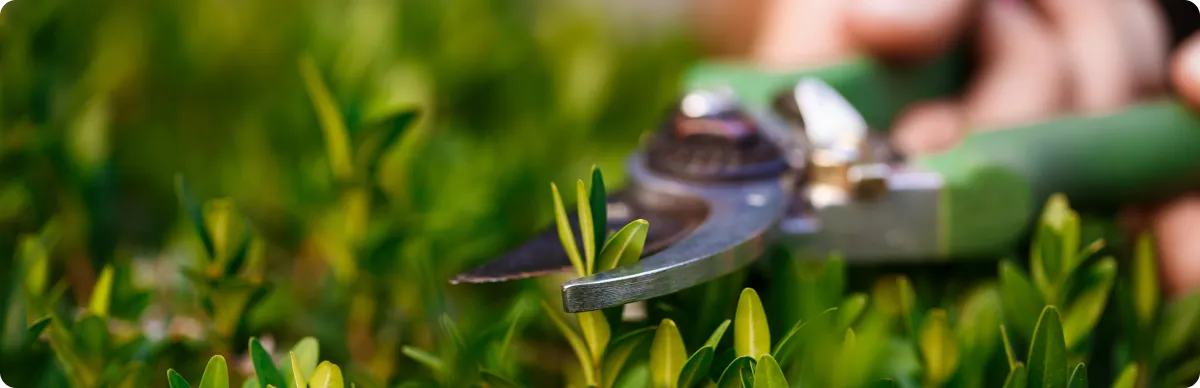
Enhanced Curb Appeal
Weed Growth Prevention
Defined Landscape Borders
Low Maintenance Solutions
Increased Property Value
Professional Installation Expertise
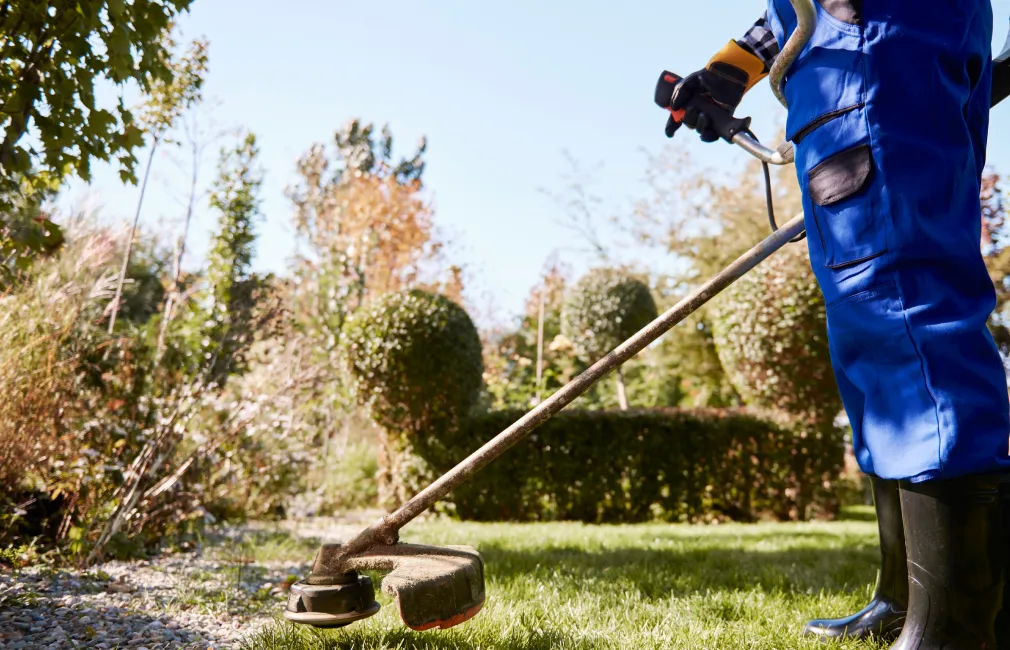
Maryvale Lawn Edging Types

Brick Lawn Edging
-
Metal Landscape Edging
-
Plastic Lawn Borders
-
Natural Stone Edging
-
Concrete Curb Edging
-
Wooden Landscape Borders
-
Rubber Lawn Edging
Our Lawn Edging Process
Site Evaluation
Marking Edges
Cutting the Edge
Debris Removal
Final Inspection
Why Choose Maryvale Landscape Services
-
Maryvale Homeowners Trust Us
-
Expert Lawn Maintenance
-
Reliable Scheduling
-
Competitive Pricing
-
Professional Team
-
Satisfaction Guarantee
-
Personalized Service
Coordinating Lawn Edging Services with Maryvale's Municipal Public Works Programs
Maryvale is an urban village within the City of Phoenix, and all lawn edging activities along public-facing frontages must account for municipal right-of-way standards and green waste handling procedures. When edging creates turf clippings, soil debris, or grass runners along curbs and sidewalks, property owners and service providers are responsible for keeping that material out of street gutters, storm-drain inlets, and adjacent drainage channels. The City of Phoenix Department of Public Works oversees street maintenance and environmental operations, including enforcement of debris and waste management along public infrastructure. Residents should verify current bulk or green waste collection schedules through the department before accumulating edging debris curbside.
- Sweep or vacuum all edging debris from curb lines and sidewalk joints immediately after service
- Do not blow or wash clippings into street gutters or storm-drain openings
- Bundle or containerize green waste according to the city's current residential collection guidelines
- Contact Public Works to confirm accepted materials and pickup logistics for larger edging projects
Phoenix Public Works Department
200 W. Washington St., Phoenix, AZ 85003
Official Website: Phoenix AZ Public Works
How Maryvale's Low-Desert Heat and Alkaline Soils Affect Lawn Edging
Maryvale sits in the Phoenix metro low desert at roughly 1,070 feet elevation, classified within USDA Hardiness Zone 10a. Summers regularly exceed 110 °F, and the predominant soils across much of western Phoenix tend toward alkaline sandy loam with subsurface caliche layers. These conditions directly influence lawn edging in several ways. Bermudagrass—the dominant warm-season turf in Maryvale—produces aggressive stolons and rhizomes that quickly invade hardscape edges, expansion joints, and decomposed-granite borders. The University of Arizona Cooperative Extension notes that bermudagrass lateral growth accelerates during peak summer heat, making edge maintenance a recurring obligation rather than a one-time task. Reflected heat from block walls, concrete driveways, and sidewalks intensifies turf stress along perimeter zones, often causing uneven growth that complicates clean edging lines.
- Caliche near the surface can deflect mechanical edger blades and dull cutting equipment prematurely
- Alkaline soil promotes salt crust accumulation along turf-to-hardscape transitions, requiring periodic removal during edging
- Irrigation overspray onto sidewalks and curbs accelerates runner encroachment and mineral staining
- Monsoon-season runoff can deposit sediment along lawn borders, burying defined edges within days
Stormwater Compliance and Regulatory Standards for Lawn Edging in Maryvale
Lawn edging in Maryvale falls under the broader stormwater quality framework administered through the City of Phoenix and the Arizona Department of Environmental Quality's Phase II MS4 program. Under the federal Clean Water Act, municipalities must prevent pollutants—including landscape debris, sediment, and irrigation runoff—from entering the municipal separate storm sewer system. Edging operations that discharge clippings, soil, or chemical residues into curb inlets or drainage washes may constitute an illicit discharge. Property managers overseeing multi-family or commercial sites in Maryvale should coordinate with the City Engineer Department when edging work occurs near engineered drainage infrastructure or retention basins to ensure grade and flow patterns remain undisturbed.
- Avoid applying pre-emergent herbicides along freshly edged borders immediately before forecast monsoon storms
- Confirm that mechanical edging near public sidewalks does not alter curb-line grade or damage city infrastructure
- Dispose of removed sod strips and root material as green waste, not into washes or vacant lots
- Review ADEQ stormwater guidance for best management practices applicable to landscape maintenance activities
Phoenix City Engineer Department
200 W. Washington St., Phoenix, AZ 85003
Official Website: Phoenix AZ City Engineer Department
Timing Lawn Edging Around Maryvale's Monsoon Season and Summer Growth Cycles
Professional lawn edging in Maryvale's low-desert climate should follow the active growth cycle of bermudagrass, which peaks from late April through September. The Turfgrass Maintenance Guide for Low Elevation Arizona from the University of Arizona provides detailed seasonal management timelines that apply directly to Maryvale properties. Edging frequency typically increases during summer months when bermudagrass stolons extend rapidly across hardscape boundaries. During the monsoon season—generally mid-June through September—edging should be scheduled to avoid periods immediately following heavy rainfall, when saturated soil increases the risk of tearing turf rather than cutting cleanly.
- Edge bermudagrass lawns on a cycle that matches or slightly exceeds mowing frequency during peak summer growth
- Use rotary or blade-style edgers set to a consistent depth to maintain a defined vertical cut along sidewalks and driveways
- Avoid edging during the hottest midday hours to reduce operator heat-stress risk and minimize turf desiccation along freshly exposed edges
- During winter overseeding with perennial ryegrass, reduce edging depth to avoid disturbing the shallow root zone of the cool-season turf
- Irrigate edged borders within the property's normal watering schedule, following any applicable water conservation guidelines from the Arizona Department of Water Resources
What Neighborhoods Do We Serve Throughout Maryvale, AZ?
- Maryvale Terrace – Established mid-century lots with mature bermudagrass lawns and older concrete curbing that often requires careful edging to avoid crumbling edges along deteriorated hardscape.
- Palm Lane – Residential streets with narrow parkway strips between sidewalks and curbs where precise edging prevents turf encroachment into pedestrian pathways.
- Westwood Village – Properties near retention basins and local drainage corridors where edging debris must be managed to prevent sediment migration into stormwater infrastructure.
- Glen Park – Compact subdivision lots with block-wall perimeters that generate significant reflected heat, accelerating bermudagrass runner growth along fence-line borders.
- Pendergast – Neighborhoods with a mix of irrigated turf and decomposed-granite yards where edging defines the transition between living turf and xeriscape zones.
- Starlight Park – Older residential areas with established shade trees whose surface roots can complicate mechanical edging along walkways and driveways.