
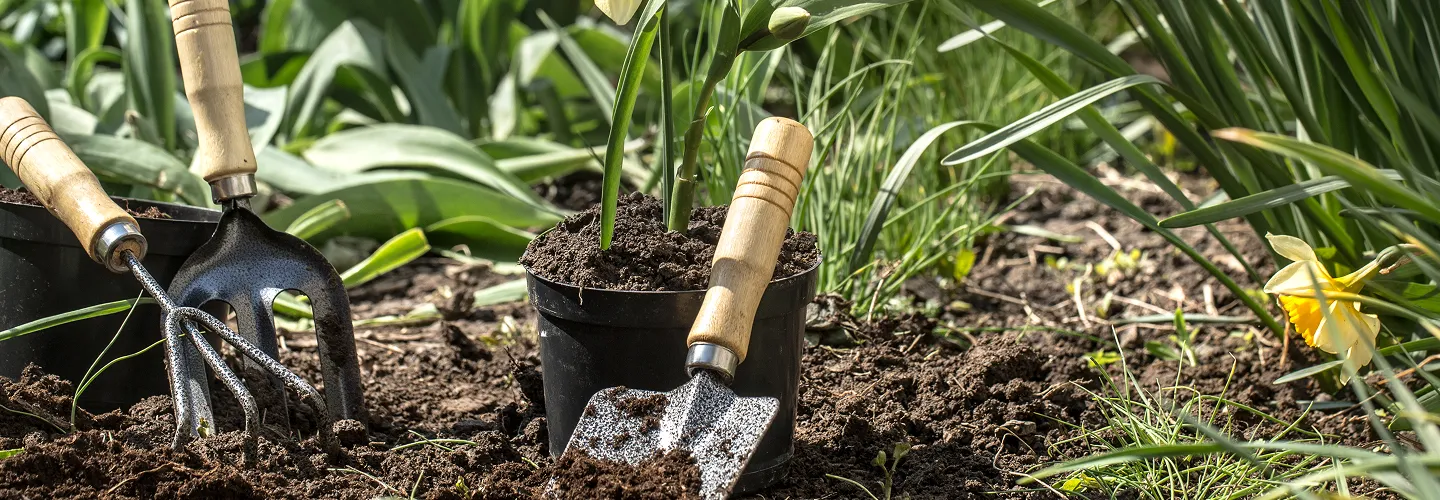
Maryvale Green Waste Disposal Services
Choose our Green Waste Disposal for reliable, environmentally responsible service that keeps your property clean and supports a healthier community.
Get a Free QuoteOur Maryvale Landscaping & Yard Care Services
When to Schedule Green Waste Disposal in Maryvale, Arizona – Seasonal Guide
In Maryvale, Arizona, the timing of green waste disposal is closely tied to our unique desert climate and the seasonal rhythms of the Sonoran landscape. With mild winters and hot, dry summers, the optimal periods for scheduling green waste removal are typically in late winter to early spring and again in late fall. These windows align with the end of frost periods and the start of new growth, making it easier to manage yard debris from pruning, leaf drop, and storm cleanup. Neighborhoods near Maryvale Park and the Grand Canal Trail often experience increased green waste after monsoon storms, while areas with mature shade trees, such as those around Desert West Park, may require more frequent service during leaf-shedding months.
Local environmental factors play a significant role in determining the best disposal schedule. For example, the risk of drought and the prevalence of clay-heavy soils can affect how quickly organic material decomposes, while shaded yards may accumulate debris at a different rate than sun-exposed properties. It's also important to consider municipal guidelines and seasonal collection schedules, which can be found on resources like the City of Sudbury's website. By understanding these local nuances, homeowners can ensure their properties remain tidy, safe, and environmentally responsible throughout the year.
Local Factors to Consider for Green Waste Disposal in Maryvale
- Tree density and types (e.g., mesquite, palo verde, citrus)
- Proximity to landmarks like Maryvale Park or Desert West Park
- Seasonal precipitation and monsoon activity
- Frost dates and temperature fluctuations
- Soil composition (clay vs. sandy soils)
- Shade coverage and yard orientation
- Municipal collection schedules and restrictions
Benefits of Green Waste Disposal in Maryvale
Eco-Friendly Landscaping Solutions
Efficient Green Waste Removal
Promotes Healthy Plant Growth
Reduces Landfill Waste
Supports Local Sustainability
Enhances Curb Appeal
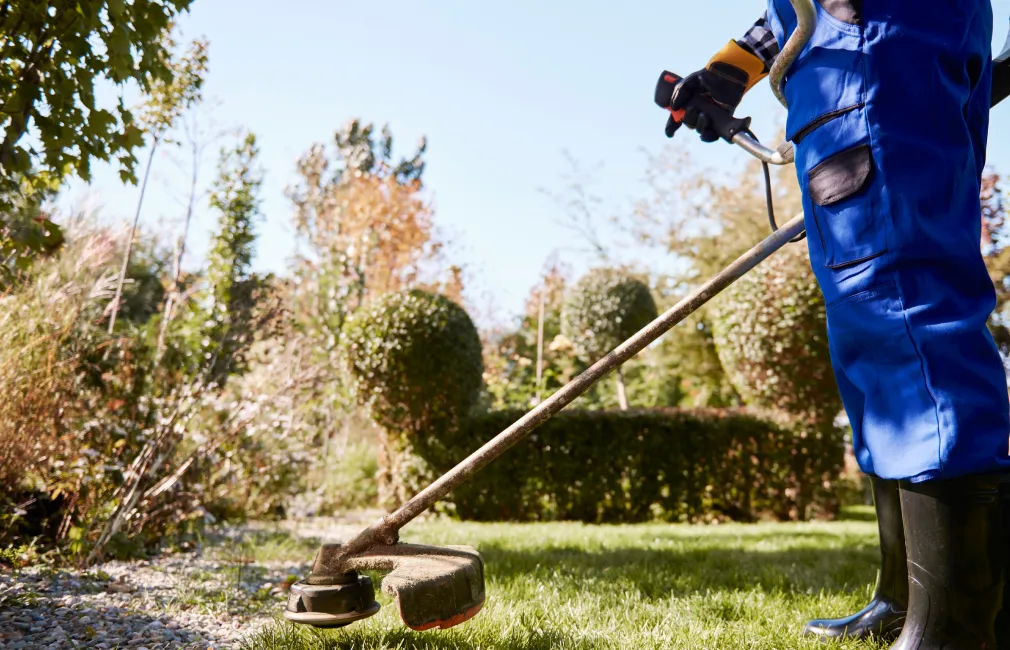
Maryvale Green Waste Disposal Types

Grass Clippings
-
Tree Branches
-
Shrub Trimmings
-
Leaves
-
Weeds
-
Palm Fronds
-
Garden Plants
Our Green Waste Disposal Process
Collection of Green Waste
Sorting and Separation
Transport to Disposal Facility
Eco-Friendly Processing
Why Choose Maryvale Landscape Services
-
Maryvale Homeowners Trust Us
-
Expert Lawn Maintenance
-
Reliable Scheduling
-
Competitive Pricing
-
Professional Team
-
Satisfaction Guarantee
-
Personalized Service
Coordinating Green Waste Disposal Through Maryvale's Municipal Collection Programs
Maryvale is a community within the City of Phoenix, and all green waste disposal operations fall under Phoenix's municipal solid waste framework. The City of Phoenix Public Works Department oversees bulk trash collection, green organics handling, and curbside pickup scheduling for residential properties. Residents and property managers should verify their assigned collection period, as Phoenix operates on a rotating quarterly bulk trash schedule by neighborhood zone. Accepted green waste typically includes tree trimmings, shrub clippings, grass cuttings, and other organic yard debris. Property owners generating large volumes of green waste—such as from seasonal pruning or landscape renovation—should confirm whether their material qualifies for curbside bulk collection or requires transport to a city-designated transfer station.
- Verify your assigned bulk trash collection period through the City of Phoenix online lookup tool before placing green waste curbside
- Separate green organics from household trash, construction debris, and hazardous materials
- Stack or bundle tree branches and brush to facilitate safe pickup and prevent obstruction of sidewalks and streets
- Commercial landscape contractors hauling green waste must use licensed disposal facilities and may not use residential bulk collection services
Phoenix Public Works Department
200 W. Washington Street, Phoenix, AZ 85003
Official Website: Phoenix Public Works
How Maryvale's Low-Desert Heat and Soils Affect Green Waste Accumulation
Maryvale sits within the Phoenix metro low-desert environment, classified under USDA Hardiness Zone 10a, where extreme summer temperatures routinely exceed 110°F and monsoon storms arrive between June and September. These conditions directly influence the volume, timing, and character of green waste generated across residential and commercial properties. Bermudagrass lawns produce heavy clipping loads during active summer growth, while desert-adapted trees such as palo verde, mesquite, and African sumac shed branches and seed pods seasonally. Monsoon winds frequently break limbs and scatter organic debris across yards, driveways, and into drainage channels.
- Alkaline, calcium-carbonate-rich soils common throughout Maryvale resist organic decomposition, meaning green waste left on-site breaks down slowly and can harbor pests
- Caliche layers near the surface limit on-site composting depth and drainage, making prompt removal of accumulated organic material important
- Monsoon runoff carries loose green waste into curb inlets, retention basins, and flood-control channels, creating blockages and water-quality concerns
- Reflected heat from block walls and concrete hardscape accelerates desiccation of piled yard debris, increasing fire risk during dry months
Soil conditions in Maryvale can be reviewed through the USDA Web Soil Survey for site-specific profiles relevant to disposal planning.
Navigating Maryvale's Stormwater and Disposal Regulations for Green Waste
Green waste disposal in Maryvale must comply with both City of Phoenix municipal code and Arizona state environmental regulations. Under the Clean Water Act, the City of Phoenix operates as a Phase I Municipal Separate Storm Sewer System (MS4) permittee, which means organic debris must not be allowed to enter storm drains, washes, or retention basins. The Arizona DEQ stormwater program reinforces these requirements at the state level, holding property owners and contractors accountable for preventing pollutant discharge from landscape operations.
- Green waste may not be dumped in alleys, vacant lots, washes, or flood-control channels; illegal dumping is subject to city code enforcement action
- Contractors transporting green waste commercially must deliver material to permitted facilities and maintain proper documentation
- Properties adjacent to drainage corridors or retention basins should take additional precautions to prevent organic material from migrating off-site during irrigation or storm events
- Burning of green waste is prohibited within Phoenix city limits under municipal fire code
Phoenix Environmental Quality & Sustainability Commission
200 W. Washington Street, Phoenix, AZ 85003
Official Website: Phoenix Environmental Quality & Sustainability Commission
Property managers overseeing multi-family or commercial sites should confirm current disposal volume thresholds and container requirements directly with the Public Works Department.
Timing and Methods for Green Waste Disposal in Maryvale's Climate
Effective green waste disposal in Maryvale requires alignment with the area's distinct seasonal cycles. The heaviest green waste volumes typically occur during three periods: late winter and early spring when trees and shrubs are pruned before summer heat, mid-summer when bermudagrass clipping production peaks, and immediately following monsoon storms when wind-damaged branches and scattered debris require rapid cleanup. Scheduling disposal around these windows prevents accumulation that attracts pests, creates fire hazards, or obstructs drainage infrastructure.
- Pre-summer pruning (February–April): Remove deadwood and shape trees before heat stress sets in; bundle branches for bulk collection or haul to a transfer station
- Active turf season (May–September): Bag or collect grass clippings promptly to prevent thatch buildup and keep clippings out of curb gutters and storm inlets
- Post-monsoon cleanup (July–September): Clear fallen branches, seed pods, and leaf litter from yards, driveways, and drainage paths within days of storm events
- Winter overseed transition (October–November): Dispose of scalped bermudagrass thatch properly rather than washing it into streets or retention areas
The Arizona Department of Forestry and Fire Management provides guidance on tree care practices that reduce the volume of storm-generated green waste. Residents should also be aware that the Arizona Department of Water Resources encourages low-water-use landscaping, which can reduce ongoing green waste generation over time.
Phoenix City Engineer Department
200 W. Washington Street, Phoenix, AZ 85003
Official Website: Phoenix City Engineer Department
What Neighborhoods Do We Serve Throughout Maryvale, AZ?
- Maryvale Terrace — Established residential lots with mature mesquite and citrus trees generate consistent seasonal green waste requiring regular collection and branch bundling.
- Palm Lane — Older irrigated properties in this area produce heavy bermudagrass clippings and palm frond debris throughout the warm season.
- Westwood Village — Compact lot sizes and block-wall enclosures concentrate green waste near property lines, requiring careful staging to avoid obstructing alleys and sidewalks.
- Estrella Village — Properties near the Agua Fria River corridor should exercise particular caution to prevent green waste from migrating into wash areas during monsoon runoff events.
- Desert West — Newer subdivision sections with desert-adapted landscaping generate less turf waste but produce periodic palo verde and ironwood branch debris after wind events.
- Glen Park — Mixed residential lots with both turf and xeriscape generate varied green waste types, from grass clippings to shrub trimmings and leaf litter.